Uncategorized September 28, 2025

Understanding Local HOA Rules & Fees

If you’re buying a home in Denton County or the greater DFW area, chances are good that it comes with a Homeowners Association (HOA). HOAs can be a blessing for neighborhood upkeep and amenities — or a headache if you’re not prepared for their rules and fees. Understanding how HOAs work is critical before you sign on the dotted line.

What is an HOA?

A Homeowners Association is a governing body, usually created by a developer, that manages and enforces rules within a neighborhood, subdivision, or condo community. Membership is mandatory for homeowners in that community.

HOAs are funded through fees or dues paid by homeowners. In return, the HOA maintains common areas, enforces community standards, and sometimes provides amenities like pools, clubhouses, or parks.

Common HOA Rules in North Texas

Rules vary widely by neighborhood, but here are some common ones buyers in Denton County and surrounding areas can expect:

  1. Exterior Appearance – Rules on paint colors, landscaping, fences, and holiday decorations.

  2. Parking & Vehicles – Restrictions on RVs, boats, or street parking overnight.

  3. Pets – Limits on number, breed, or size of pets.

  4. Noise & Nuisance – Quiet hours or bans on certain activities.

  5. Rentals – Some HOAs restrict or prohibit short-term rentals (Airbnb/VRBO).

HOA Fees: What They Cover

HOA fees depend on the size of the community and the amenities provided. In Denton County, HOA dues can range from $200/year in a small subdivision to $2,000+ annually in luxury communities.

Fees often cover:

  • Maintenance of common areas (parks, landscaping, signage)

  • Pools, fitness centers, clubhouses

  • Security (gated entries, patrols)

  • Trash or recycling services

  • Community events

Pros of Living in an HOA Community

✔ Well-maintained neighborhoods (can help protect property values)
✔ Access to amenities (pool, gym, playgrounds)
✔ Standards that prevent neighbors from neglecting homes

Cons of Living in an HOA Community

✘ Fees can increase annually or through special assessments
✘ Restrictions may feel limiting (what you can build, park, or paint)
✘ Conflicts with HOA boards can be stressful and costly

Key Questions to Ask Before Buying in an HOA

  • What are the current HOA dues, and how often do they increase?

  • Are there any special assessments planned?

  • What amenities are included in the fees?

  • Can I review the Covenants, Conditions & Restrictions (CC&Rs) before closing?

  • What’s the financial health of the HOA? (Look at budgets and reserves.)

Final Thoughts

HOAs play a major role in homeownership across Denton County and the DFW area. While they help maintain property values, they also come with rules and recurring costs that buyers need to factor into their decision.

As a Realtor, I always recommend reviewing HOA documents early in the buying process so there are no surprises. A little homework upfront can save a lot of stress later.


Uncategorized September 27, 2025

The Impact of the Local Economy on Real Estate in Denton County, TX

The health of the local economy is one of the biggest drivers of the real estate market. For Denton County, economic trends in employment, population growth, governmental & tax policy, and supply/demand all ripple into home values, sales activity, rents, and investor behavior. Below is an overview of how Denton County’s economic factors are currently shaping — and will likely continue to shape — its real estate market.

  1. Pressure on Home Prices and Property Values
    The increases in property tax assessments (residential and especially commercial) indicate rising values. For higher-end homes (especially newer, larger homes), the upward momentum is especially strong. That means if you own in those categories, there’s likely equity growth. But it also raises expectations for sellers, which can create a gap if buyers don’t match those expectations (especially when borrowing or rates are constrained).

  2. Higher Carrying Costs and Tax Burden
    As assessments increase, property taxes rise. Owners (especially in higher value brackets / commercial property owners) will see increased tax bills. This can affect affordability of ownership (mortgage + taxes + maintenance) and might make renting comparatively more attractive for some households.

  3. Demand Softening / More Choice for Buyers
    With inventory up significantly and fewer deals in pending or closed sales, buyers have more choices. Homes are staying on the market longer. Sellers may have to invest more in presentation, incentives, pricing strategies. The market is less “sellers-market” than it was during peak pandemic / post-pandemic years.

  4. Rent Trends & Affordability
    According to reports, rents in Denton County are flattening or softening in many cases. For renters or would-be homebuyers, that could shift financial considerations: whether to keep renting vs buy. It might also influence investor behavior in rentals (less upside if rents are plateauing).

  5. Commercial Real Estate & Investment Opportunities
    The very high tax assessment increases on commercial properties (warehouses, retail, offices) suggests strong demand in those areas, or at least expectations of growth. Demand for land (for development), commercial space, warehouse/distribution centers is likely increasing. Investors and developers are likely watching that closely.

  6. Interest Rates / Mortgage Environment Remains a Wildcard
    Even with strong job growth and low unemployment, the cost of financing can slow demand. Buyers’ purchasing power is affected heavily by mortgage rates. If rates remain high or rise further, it may warm down the market, even if economic fundamentals (jobs, wages) are good.

  7. Population Growth & Infrastructure Stress
    Rapid population growth (people moving into Denton County) drives the need for infrastructure (roads, utilities, schools). If growth outpaces the ability to build infrastructure, that can create bottlenecks — traffic, school crowding, etc. Those can negatively affect desirability (and therefore property values) in some neighborhoods.

Potential Risks & What to Watch

While many indicators are positive, several risk factors could dampen real estate strength:

  • Over-assessment vs Market Reality: If appraisal districts keep raising the assessed values rapidly (especially commercial and high value residential) but market transaction prices don’t keep up, homeowners/sellers may face resistance. It could also trigger tax protests or political pushback.

  • Interest Rate Volatility: If mortgage rates increase significantly, affordability drops, cooling buyer demand and potentially pricing.

  • Supply Glut: If new construction continues to outpace demand, especially in certain price ranges or in less desirable areas, it could lead to downward pressure on prices or slower sales.

  • Economic Slowdowns: Despite the strong employment rate, broader macroeconomic risks (recession, inflation, supply chain, energy price swings) could slow either job growth or wage growth, which in turn reduces what buyers are willing or able to pay.

  • Zoning, Infrastructure, Tax Policy: Local policy (zoning, school district capacity, tax rates) can either support growth or become a headwind. High property taxes combined with high assessments can deter potential homeowners.

Strategic Takeaways for Realtors / Buyers / Sellers in Denton

Here’s what to do with all this info if you’re participating in the Denton County real estate market:

  • For Sellers: Know your home’s competition and price it appropriately. Don’t assume that assessed value equals what buyers will pay; align your listing with recent comparable sales and current interest rate environment. Prepare your property well to stand out (condition, staging, marketing).

  • For Buyers: Look for value in areas where assessment increases have not been as aggressive but job growth, amenities, schools are solid. Be ready to negotiate, especially with more inventory. Ensure financing is solid — rates, down payments, etc.

  • For Investors: Commercial/industrial sectors (warehouses, retail) look promising given large appraisal increases. Rental-housing may have less upside if rent growth is flattening. Identify neighborhoods expected to benefit from future infrastructure investments or school expansions.

  • For Policymakers / Local Government: Ensuring infrastructure keeps up with growth (roads, utilities, transit, schools) will be critical in preserving property values. Also, communicating and managing property tax assessments/responsibilities transparently helps avoid backlash and supports a stable real estate climate.

Conclusion

Denton County has a strong economic base: steady job growth, growing population and workforce, and rising property values. These fundamentals support real estate demand. However, rising property assessments, higher taxes, and mortgage/interest rate pressures mean the market isn’t without its challenges. For buyers, investors, and sellers, understanding how these economic trends interact is crucial.

Uncategorized September 26, 2025

Common Appraisal Issues & How to Avoid Them

When buying or selling a home in Texas, the appraisal can make or break a deal. An appraisal that comes in lower than the contract price can delay closing, force renegotiation, or even cause the contract to fall apart. Understanding common appraisal issues—and how to avoid them—can help keep your transaction smooth.

1. Overpricing the Home

  • The Issue: Sellers often list homes based on emotions or upgrades they’ve made, rather than market data. Appraisers, however, base their valuation on recent comparable sales.

  • How to Avoid It: Work with a Realtor who pulls accurate comps from your neighborhood and sets a realistic asking price.

2. Lack of Comparable Sales

  • The Issue: In unique neighborhoods or rural areas, it may be difficult for appraisers to find comparable homes. This can result in a conservative appraisal.

  • How to Avoid It: Provide your appraiser with recent, relevant comps your Realtor has gathered.

3. Condition of the Home

  • The Issue: Peeling paint, old roofing, outdated HVAC, or obvious deferred maintenance can lower an appraised value.

  • How to Avoid It: Take care of visible repairs and maintenance before listing. Even small fixes (like broken fixtures or leaky faucets) matter.

4. Unpermitted Additions or Conversions

  • The Issue: If you’ve added square footage, a garage conversion, or an outdoor structure without permits, the appraiser may not include it in the value.

  • How to Avoid It: Always ensure proper permits are pulled and available for review.

5. Market Shifts

  • The Issue: In fast-moving DFW markets, rising or falling home prices can cause appraisals to lag behind current demand.

  • How to Avoid It: If comps don’t reflect current conditions, your Realtor can provide supporting market data and trends to the appraiser.

6. Appraiser’s Local Knowledge

  • The Issue: Not all appraisers are equally familiar with every neighborhood. A lack of local insight can affect valuation.

  • How to Avoid It: Make sure your lender assigns a local appraiser familiar with Denton, Tarrant, or Collin County markets.

Key Takeaways

  • Set a realistic asking price using comps.

  • Complete repairs before listing.

  • Keep documentation on upgrades and permits.

  • Work with a Realtor who knows how to prepare and present data to the appraiser.

Final Thoughts

Appraisals are not just a formality—they’re one of the most important parts of the home selling process in Texas. By being proactive, you can reduce surprises and keep your deal on track.

Uncategorized September 25, 2025

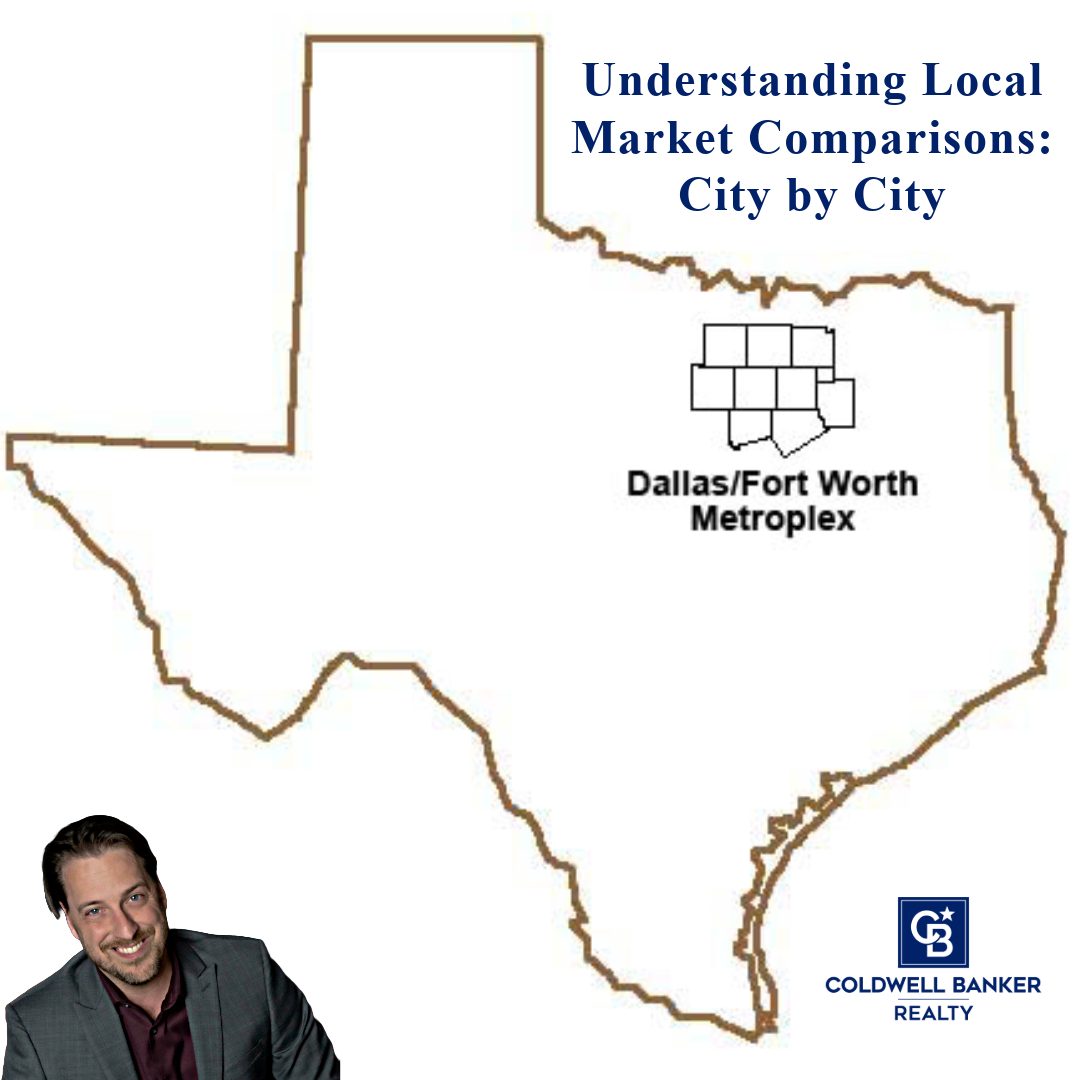
Understanding Local Market Comparisons: City by City

DFW is not one market—it’s dozens of overlapping markets. City, school district, local amenities, and even infrastructure (roads, traffic, commute times) heavily affect values. Comparing markets city by city helps you understand what you’re getting for your money, where appreciation has been strongest, and where there may be more risk or opportunity.

What Factors Explain the Differences

Here are the primary drivers causing the variations from city to city in DFW:

  1. Schools / School Districts
    Many buyers (especially families) are willing to pay a premium just for top school districts. Frisco ISD, for example, gets high marks. Those school district lines often define where high price growth happens.

  2. New vs Older Construction
    Cities with lots of newer subdivisions, modern amenities, and well-planned infrastructure tend to have higher prices and more consistent growth (less “problem” houses). They also often have better roads, utilities, planned parks, etc.

  3. Distance / Commute to Job Centers
    Proximity to major employment hubs, highways, toll roads, and traffic patterns strongly matter. A home 30 to 45 minutes from central Dallas (or other major job clusters) is going to be valued differently than one 60+ minutes away.

  4. Amenities & Community Services
    Things like availability of retail, parks, nightlife, cultural attractions, walkability, public transit (where available), etc., all feed into buyer demand and thus prices.

  5. Inventory, Supply, & Land Availability
    Suburbs which can keep building (because there’s available land) tend to expand supply, which can moderate price growth. Cities more “built-out” hit supply constraints, which pushes up values.

  6. Local Economic & Job Growth
    Cities which are growing with employers, increasing population, good infrastructure investments tend to have better appreciation and stronger markets. For instance, McKinney, Allen, Frisco have been frequent high performers in various “best real estate market” rankings.

  7. Interest Rates / Mortgage Rate Environment & Overall Market Cycle
    Because DFW is growing fast, it tends to respond strongly to rate shifts. When mortgage rates are low, demand surges; when rates rise, buyers get more picky. The cities with more affluent buyers often see less drop from rate rises, but less affluent suburbs feel pinch more strongly.

Recent Trends & Market Shifts (2025) City by City

From recent reports (2025), some trends are emerging:

  • Inventory has risen across most DFW cities, shifting many areas toward balanced or buyer’s market conditions.

  • Many cities are seeing year-over-year price declines in certain segments (starter and mid-tier homes) while luxury/high-end segments are more resilient.

  • In some top-end suburbs (Frisco, parts of Plano) growth is slowing, but the premium remains. For lower cost suburbs, affordability is more of a driver—and buyers are more sensitive to condition, updates, and price.

What This Means for Buyers, Sellers, and Investors

Here are the practical take-aways when you compare city markets in DFW:

  • For Buyers

    • If budget is tight, the more affordable suburbs (e.g. Mesquite, Garland, parts of Fort Worth) may offer more bang for buck, but you’ll want to carefully evaluate school districts, commute, and maintenance needs.

    • If you prioritize appreciation, buying in top-school districts and growing suburbs (Frisco, Allen, McKinney, etc.) may cost more up front, but historically those areas have had stronger value retention.

  • For Sellers

    • If you’re in a high-demand suburb, pricing aggressively with good presentation often works well. Buyers expect quality.

    • In moderate or lower cost cities, investing in home improvements (especially cosmetic, kitchens, baths, landscaping) can have larger percentage returns.

    • Timing matters: markets in top suburbs may respond faster to interest-rate drops or buyer sentiment than more affordable suburbs.

  • For Investors / Flippers

    • Watch the mid-tier markets: as rates rise, there’s often more stock in these places and more opportunity for discounted purchases.

    • But also risk: buyer demand can be more volatile in those classes.

How to Use City Comparisons for Your Decision Making

Here are some questions to ask / steps to take when comparing city markets in DFW, whether you’re buying, selling, or investing:

  1. Get recent comp data for the exact city (and preferably the neighborhood). Don’t just look at “Frisco average,” look at homes similar in size, age, features.

  2. Look at inventory: how many similar homes are for sale? What are their days on market? Are many selling below list? That tells you how much negotiation power there is.

  3. Evaluate growth prospects: planned infrastructure (roads, transit), upcoming schools, upcoming commercial developments, jobs moving in.

  4. Factor in carrying costs: property taxes, insurance, maintenance, any HOA dues. Sometimes a lower purchase price city is offset by higher long-term costs.

  5. Personal priorities vs pure appreciation: If you value commute time, amenities, schools more than just return on investment, some cities may be worth the premium.

Conclusion

City-by-city comparisons in DFW reveal that:

  • There is a wide spread in median home prices among cities, even within the same suburbs (sometimes $200,000+ differences).

  • High-growth, well-amenitized suburbs (Frisco, Flower Mound, Plano, McKinney, Allen) tend to command big premiums, especially for newer homes and great schools.

  • More affordable options (Denton, some parts of Fort Worth, Garland, Mesquite) offer value but come with trade-offs (older homes, longer commutes, variable schools).

  • The market in 2025 is shifting: more inventory, slower price growth, more negotiation room—this is affecting all cities, though higher-demand ones are holding up slightly better.

Uncategorized September 24, 2025

The Best Time of Year to Sell Your Denton County Home

Denton County is part of the DFW metroplex, and its real estate market follows many of the same seasonal dynamics as surrounding areas, but with some local quirks.

Seasonal Trends — When Denton County Sellers Have Historically Done Best

Using data from real estate research, brokerage reports, and patterns from the DFW / Denton area over recent years, here’s what tends to happen seasonally:

Time of Year What Tends to Happen Pros for Sellers Cons / Risks
Spring (March – May) Demand starts rising; more buyers become active; nicer weather encourages showings; families looking to move before school starts. Higher buyer traffic → better chance of multiple offers; prices tend to be among the higher months of the year. Less time on market than winter. More inventory (other sellers list); competition among sellers increases; pricing too aggressively can backfire if over-crowded.
Early Summer (June – July) Often peak months for listing and selling, especially in desirable suburbs. Buyers eager to close deals before fall. Homes sell faster; you may get close to peak pricing; high visibility. Heat, vacations, holiday weekends can reduce buyer activity; inventory often still high. Also, interest rates, economic conditions can temper buyer demand.
Late Summer / Early Fall (August – September) Activity tends to taper off; some buyers want to finish moves before school, but others slow down. Some motivated buyers (e.g. job relocations) may act; less seller competition if many paused in summer. The biggest con is lower demand overall; homes may sit longer; pricing pressure increases. Also, less favorable showing conditions (heat, etc.).
Winter (November – February) Slowest period; fewer new listings; fewer buyers; holiday distractions. Less competition; serious buyers tend to be more motivated. Sometimes sellers who need to sell accept strong offers. Longer days on market; lower sale prices on average; fewer buyers; inclement weather can hamper showings; financing delays due to holidays.

Best Months to List (Based on Historical Patterns & Texas Data)

While specific Denton-County-by-month data isn’t always published in accessible detail, statewide and DFW region data give reasonably good proxies. Key months that often outperform the rest in recent Texas / DFW analysis:

  • May & June have repeatedly shown up as months with higher than average sale prices and faster sales.

  • April is strong too — it gives you the beginning of the spring demand surge. If you list in April, you often get ahead of the competition.

  • Summer (July) can still be good, especially in early part, though gains tend to flatten.

For speed of sale, May tends to be the best of the months in many Texas markets. For maximizing sales price, June often has the edge. 

Putting It All Together: When to Sell in Denton County for Best Results

Based on local data + broader Texas / DFW trends, here’s what would likely get you the best mix of price and speed if you’re selling in Denton County:

  • Aim to list in April or early May if possible. This gives time for listings to hit the market, build buyer interest, and close during late spring / early summer.

  • If you can’t list in spring, June is your next best window. Homes in June tend to catch more competitive offers and sell faster.

  • Avoid listing in winter months (December through February) unless you need to, because the buyer pool is smaller and the time on market is often longer.

  • Be cautious listing in late summer (August / early September) without particular strategy—unless demand is strong, your pricing and marketing must be solid to offset seasonal slowdown.

Local Caveats & What’s Changed Lately

  • Longer Days on Market Recently. As noted above, homes in Denton County are now taking more time to sell (e.g. ~59 days in August 2025). That magnifies the cost of waiting, but also means that the “ideal” window may shift depending on economic or interest rate conditions.

  • Price Softening. Median prices have shown year-over-year decline in recent months in Denton County, which suggests buyer power may be somewhat higher, and that sellers need to price carefully even during the “good months.”

  • Inventory & Incentives. When many homes are on the market at the same time (spring and early summer), it can still be competitive among sellers. Good presentation, staging, and pricing are more important than ever.

Potential Dollar / Percent Benefits

While I don’t have public data that nails down “selling in May vs selling in December in Denton County yields X% more” for 5 consecutive years, extrapolating from state and DFW region data gives a ballpark:

  • Sellers listing in May or June (vs winter months) may achieve 3-7% higher sale price, all else being equal (condition, location, presentation).

  • Homes listed during peak months tend to sell 10-20 days faster than off-peak months. That means carrying costs (mortgage, taxes, maintenance) are lower.

  • Faster sales also tend to lead to fewer price reductions and more buyer competition, which can protect or increase negotiated price.

Actionable Advice

If you’re considering selling a home in Denton County, here are some strategies to capitalize on these trends:

  1. Prep Early. If planning to list in April/May, get inspections, repairs, staging, landscaping done ahead of time (late winter) to hit the market strong.

  2. Time the Listing Date. Even within a month, choosing to list earlier in the high demand period helps. For example, listing in early May vs late May/June may give better visibility before many homes flood the market.

  3. Price Competitively. In a cooling market, overpricing hurts more—so be realistic, based on comps, and leave room for negotiation.

  4. Marketing & Curb Appeal. Especially for spring listings, good photos, clean landscaping, and good first impressions go a long way; buyers expect these in spring showings.

  5. Monitor Interest Rates & Local Economy. These affect buyer demand; if rates rise or there’s economic uncertainty, the “ideal windows” tighten.

Conclusion

  • For Denton County, the evidence suggests the best time to sell (maximizing both speed and price) is spring, especially April through early June.

  • June often brings the highest prices, while May tends to deliver faster sales.

  • Avoid the winter slump unless necessary; and late summer / early fall may be okay but with risk of slower demand.

Uncategorized September 23, 2025

Outdoor Living Trends in DFW That Increase Home Value

The Dallas-Fort Worth area (and Texas more broadly) favors homes that allow indoor-outdoor living, shade, durability, and usable outdoor spaces. Given the climate, the lifestyle, and what buyers are looking for now, certain outdoor features are trending—and these features can meaningfully increase home resale value.

Below are the trends + what you might expect in increased value / ROI + resource links.

1. Seamless Indoor-Outdoor Integration & Multi-Zone Outdoor Spaces

What it is:

  • Patios, decks, or living areas that flow into the interior of the house; large/sliding/folding doors; consistent flooring materials, etc.

  • Outdoor areas that have multiple zones (dining, lounging, cooking, fire features, etc.) so that the space is functional and used often.
    Value/ROI estimates:

  • Outdoor living areas (with patios, decks, outdoor kitchens) generally offer up to about 12% return on investment according to national studies. Hillman Outdoor Living

  • Homes with professionally landscaped yards and functional outdoor living areas can command premiums—”homes with professionally landscaped yards … buyers are often willing to pay a premium—up to 20% more” in DFW for some properties. Alterra Landscape Design+1
    Considerations:

  • Use durable materials that match the home’s architecture.

  • Consider permits, local design styles, HOA restrictions.

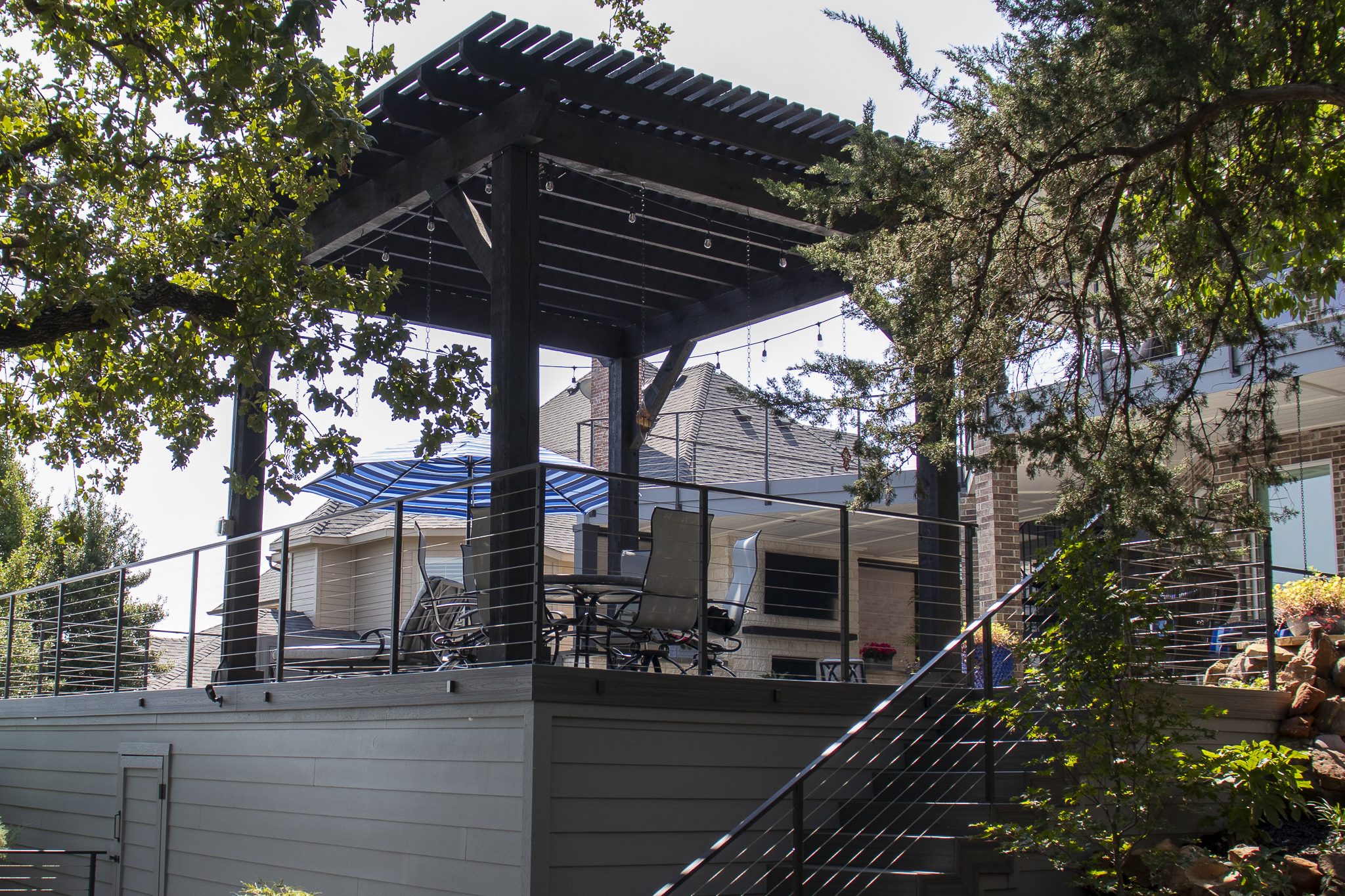
2. Covered Patios, Shade Structures & Year-Round Use Additions

What it is:

  • Covered patios, pergolas, retractable shade, pergolas with built-in fans, lighting, or even heaters.

  • Shade is especially valuable in Texas, both for comfort and usability in hotter months.
    Value/ROI estimates:

  • Patio covers often had ROIs of 60–80% on cost, depending on material, quality, and appeal. Texas Direct Roofing

  • Covered patios are often cited among the most desirable backyard upgrades in Texas, giving both lifestyle and resale bump. MCM Outdoor Living+2Compass Outdoor Design LLC+2

3. Outdoor Kitchens, Fire Features & Entertainment Amenities

What it is:

  • Outdoor kitchens with grills, prep areas, sometimes ovens or sinks.

  • Fire pits, outdoor fireplaces, built-in seating, ambient lighting—all things that make the outdoor space a magnet for gathering.
    Value/ROI estimates:

  • Outdoor kitchens can recoup 55%-200% of their cost per some national/industry sources, depending on how well done they are. HomeLight+1

  • Fire features add visual interest and appeal; lighting + fire pit upgrades are often among the most cost-efficient ways to enhance outdoor living. (From landscaping project ROI lists, fire features show strong “joy” or “desirability” scores. Better Homes & Gardens )

4. Low-Maintenance, Durable Materials & Eco/Sustainability Features

What it is:

  • Composite decking vs wood, materials that resist rot/fading, low water landscaping, smart irrigation systems.

  • Sustainability elements: native plants, water efficiency, energy savings (shade reducing interior cooling costs), etc.
    Value/ROI estimates:

  • Composite decking is especially appealing in climates like DFW; homeowners are willing to pay more for materials that look good over time and require less upkeep. texasbestfence.com

  • Smart landscaping + irrigation systems often recoup a large share of their cost. For example, in broader landscaping studies, irrigation systems show ROI in the 80-+% range. Better Homes & Gardens

5. Landscaping, Lighting & Curb Appeal

What it is:

  • Professional landscaping, well-designed walkways, lighting (path lights, uplights on trees, etc.), front yard and back yard tidiness.

  • Use of native/drought-tolerant plants, low-maintenance ground cover.

Value/ROI estimates:

  • Landscaping improvements can boost resale by 15-20% in many markets. For example: a home worth $400,000 might see $60,000–$80,000 added in perceived value with strong landscaping. HomeLight+2Alterra Landscape Design+2

  • Simple lawn care and maintenance projects often have very high ROI (e.g. over 100% in some cases) because cost is low and benefit to curb appeal is large. Better Homes & Gardens


Rough Dollar Estimates for DFW Homes

Putting together these trends with typical home prices in DFW (which vary, but let’s say many homes are $350,000-$600,000 in suburban areas), here’s what value bump might look like in dollars:

Upgrade Percent Increase (Approx) Dollar Value Added*
Patios / decks of good quality, well-done ~ 5-12% $17,500 – $70,000 (on a $350k-$600k home)
Covered patios/pergolas/shade structures ~ 4-8% $14,000 – $48,000
Outdoor kitchen + fire feature ~ 5-15% (if high end) $17,500 – $90,000+
Landscape + lighting + low maintain ~ 10-20% $35,000 – $100,000+
Pool (custom, high end) More variable, maybe 5-15% in favorable neighborhoods, less in others $17,500 – $90,000+ depending on cost, upkeep, etc.

*These are rough estimates based on home price, market, cost, etc. Actual value depends heavily on neighborhood, lot size, design quality, and buyer preferences.


Things That Can Dent or Limit Value

  • Over-specialization: A pool may be a plus for some buyers but a liability (maintenance, cost) for others.

  • Mismatch with neighborhood: If your neighbors don’t have similar outdoor features, going overboard may not yield ROI.

  • Poor maintenance: Degraded decks, fading materials, bad drainage, overgrown landscaping can actually reduce value.

  • Regulatory / HOA / permit issues: Building without required permits, or violating neighborhood norms, can reduce value or even cause legal/repair costs for new owner.

Takeaway for DFW Homeowners / Real Estate Sellers

  • Focus on outdoor features that are usable most of the year (shade, comfort, durability).

  • Invest in materials and design elements that are compatible with both the home and the neighborhood.

  • Don’t just add square footage — add function (kitchen, fire pit, seating, lighting).

  • Because DFW is warm, features that mitigate heat and make outdoor living comfortable (shade, ceiling fans, water features) tend to pay off.

  • Even mid-level upgrades in landscaping/curb appeal often yield strong returns and help the home sell faster.

Uncategorized September 1, 2025

How to Choose the Right Real Estate Agent in Denton County

How to Choose the Right Real Estate Agent in Denton County

By Robert Wink, Realtor – Coldwell Banker Realty

Buying or selling a home is one of the biggest financial and emotional decisions you’ll ever make. The right real estate agent can make the process smooth, profitable, and even enjoyable—while the wrong fit can leave you frustrated and stressed. If you’re in Denton County, here’s how to choose the right Realtor for your needs.


1. Look for Local Expertise

Real estate is hyper-local. An agent who specializes in Denton, Argyle, Southlake, Flower Mound, Trophy Club, or Roanoke understands neighborhood trends, school districts, and what buyers in each community value most.

  • Do they know which Argyle neighborhoods offer larger lots?

  • Can they compare Flower Mound vs. Highland Village school ratings?

  • Do they track Denton’s growing new construction market?
    Local expertise ensures you don’t miss key details that impact value and demand.


2. Check Their Track Record

Experience matters, but so do results. Ask:

  • How many homes have they sold in Denton County in the past year?

  • Do they represent more buyers, sellers, or both?

  • What’s their average days-on-market compared to the county average?


3. Communication Style

Buying or selling a home is time-sensitive—you’ll want an agent who keeps you informed at every step. Consider:

  • Do they prefer phone, text, or email?

  • How quickly do they respond?

  • Do they use a team? Virtual Assistant? Transaction Coordinator?
  • Are they proactive with updates, or do you have to chase them down?


4. Marketing Strategy

In today’s digital world, professional marketing makes a huge difference. For sellers, ask:

  • Do they use professional photography, video tours, and staging advice?

  • Will your home be listed across all major online platforms?

  • Do they leverage social media and digital ads to attract buyers?
    For buyers, ask how they identify off-market opportunities or new listings before others see them.


5. Negotiation Skills

Your Realtor should be your advocate at the negotiation table. The best agents:

  • Back pricing decisions with data and comps.

  • Stay calm under pressure.

  • Know when to push and when to compromise.
    In competitive areas like Southlake or Trophy Club, skilled negotiation can mean the difference between winning or losing the home you love.


6. Client Testimonials & Reviews

Past clients are the best measure of future success. Read online reviews, ask for references, or check if they’ve received awards or recognition in the community. A pattern of satisfied clients speaks volumes.


7. Personal Fit

Finally, choose someone you feel comfortable with. You’ll be working closely together—sometimes daily—so you’ll want someone who listens, respects your goals, and makes you feel confident in the process.


8. Commission

You as the buyer and seller can negotiate how much you are paying your realtor.

  • Average range is 3% to the buyer, and 3% to the seller, a total of 6%.
    • You can negotiate a flat rate or do a percentage.
    • Or decide to pay one side.
  • I personally list homes at 1% and recommend paying up to 3% to the buyer’s agent.

  • If I am representing a buyer, it all depends.


The Bottom Line

Choosing the right real estate agent in Denton County isn’t just about credentials—it’s about finding a trusted partner who knows the market, communicates clearly, is committed to your success, and looks out for you financially.

As a local Realtor who specializes in Denton County and the surrounding DFW metroplex, I bring deep market knowledge, strong negotiation skills, and a results-driven approach to every transaction.


📞 Ready to buy or sell in Denton County?
Let’s talk about your goals. Contact me, Robert Wink – Coldwell Banker Realty at 940.999.8988, and let’s make your next move a smart one.

Uncategorized August 31, 2025

The Future of Denton County Real Estate: 2026 Outlook

The Future of Denton County Real Estate: 2026 Outlook

By Robert Wink, Realtor – Denton County, TX

As we look ahead to 2026, the Denton County real estate market stands on the brink of notable shifts. With rising inventory, moderate price adjustments, and evolving buyer behavior, here’s what homebuyers, sellers, and investors should know.


1. Rising Inventory & Buyer-Friendly Conditions

Denton County is seeing a marked increase in available homes, easing the previously tight market. Active listings are up significantly year-over-year in numerous DFW counties—many exceeding 50% gains—signaling a more balanced market that favors buyers. mdregroup.com


2. Stable to Slightly Softening Prices

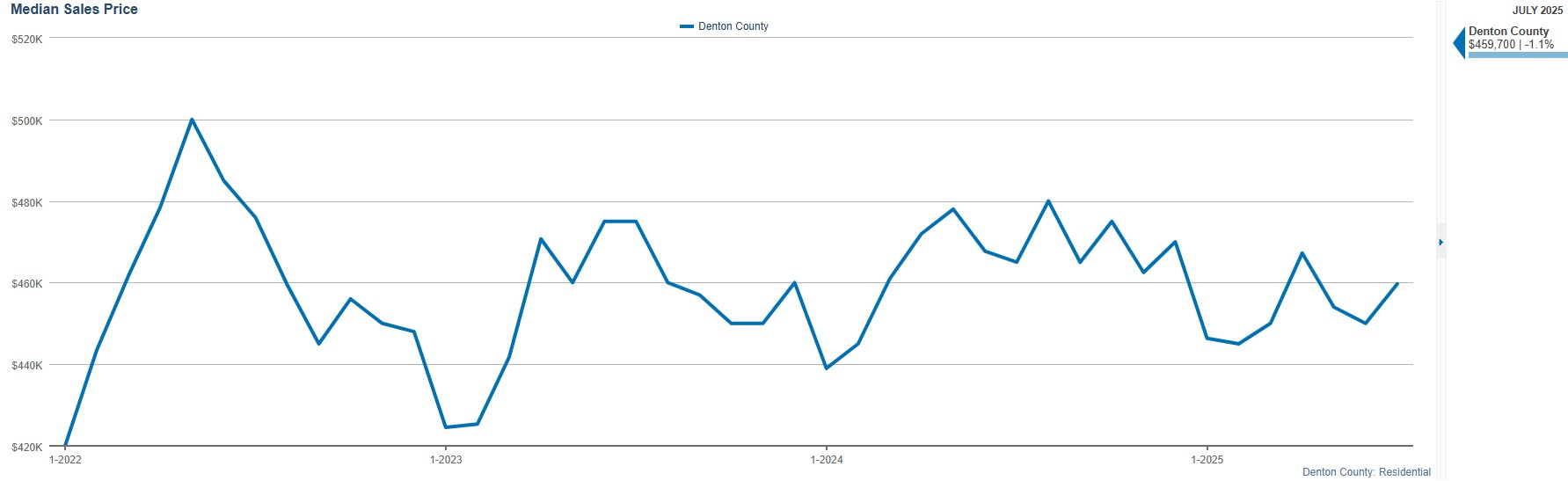
  • As of July 2025, the median home price in Denton County fell slightly to $460,000, down 1.1% from the prior year. Homes are taking longer to sell—48 days on market compared to 35 days previously. Redfin

    • This is an average by Redfin, but each home size, neighborhood, school district, and city may have less or more days. 
  • Zillow reports a -3.7% annual decline in home values, with the average home value around $456,698.Zillow

These figures show modest price corrections, not steep declines—offering opportunities for savvy buyers and cautious sellers alike.


3. Forecast: Buyer’s Market Nearing

Experts anticipate that by early 2026, the greater DFW area—including parts of Denton County—could tilt toward a buyer’s market. Here’s why:

For Sellers: expect more negotiation and be prepared to offer incentives or rate concessions.
For Buyers: increased inventory and slower pace can open the door for better deals and less competition.


4. Long-Term Outlook & Growth Potential

Looking further ahead, projections suggest long-term home price appreciation in Denton…

Historically as September, October, November, December, January, and February (Fall & Winter), prices drop on homes.


Interest Rates are at upper 6% and lower 7%. This may hold, having more homes on the market, dropping the prices throughout Denton. Multiple master planned communities are being developed, which will increase inventory.

While short-term trends are leaning buyer-friendly, the region’s fundamentals—population growth, infrastructure, and quality of life—support healthy long-term appreciation.

I see interest rates dropping in the Spring & Summer of 2026 due 468 seats in the U.S. Congress (33 Senate seats and all 435 House seats) are up for election on November 3, 2026.


5. Local Drivers to Watch: Development & Infrastructure

  • Commercial expansion is a big factor: H-E-B recently acquired 23 acres in Flower Mound to build a major new store—part of broader plans tied to the development of Furst Ranch (a massive mixed-use community slated to include thousands of homes and millions of square feet of commercial space).Chron

Projects like these will continue to energize housing demand, improve infrastructure, and elevate property values across Denton County.


Summary Table: 2026 Outlook at a Glance

Factor What to Expect
Inventory Rising—more options for buyers
Median Prices Flat to modest decline
Market Balance Shifting toward buyer’s market
Mortgage Rates Staying elevated, limiting demand
Long-Term Value Appreciation projected over next 5–10 years
Development Strong commercial/residential growth boosting demand

How to Play the 2026 Market

For Buyers:

  • Act strategically—more choices through 2026.

  • Get pre-approved to stand out.

  • Consider new construction or resales in growing areas.

For Sellers:

  • Price competitively—don’t overestimate your leverage.

  • Focus on staging, curb appeal, and marketing to differentiate.

  • Be open to incentives like credits or flexible closing terms.

Uncategorized August 30, 2025

Downsizing Is the New Upgrade: A Modern Home Trend

Downsizing Is the New Upgrade: A Modern Home Trend

By Robert Wink, Realtor – Denton County, TX

In the past, upgrading often meant moving to a bigger home. Today, a growing number of homeowners are discovering that downsizing can actually be the ultimate upgrade—offering freedom, flexibility, and a lifestyle that’s easier to manage.


1. Why Downsizing Is Trending

Several factors are fueling the trend of smaller, more efficient homes:

  • Lifestyle Simplification: Many homeowners want to reduce clutter, lower maintenance demands, and spend less time managing a large property.

  • Financial Flexibility: Downsizing frees up equity that can be reinvested, saved for retirement, or used for travel and experiences.

  • Sustainable Living: Smaller homes generally use fewer resources, aligning with eco-friendly lifestyles and energy efficiency goals.


2. Who Is Choosing to Downsize?

  • Empty Nesters: Parents whose children have moved out are moving from sprawling family homes to cozy, functional spaces.

  • Young Professionals & Retirees: Individuals seeking lower maintenance homes with easy access to city amenities and community resources.

  • Investors: Some homeowners downsize to invest the proceeds in rental properties, vacation homes, or other income-generating opportunities.


3. Popular Downsizing Strategies

  • Smarter Square Footage: Instead of large homes, buyers are looking for efficient layouts with open floor plans and multi-purpose rooms.

  • Luxury Over Size: Downsizers often prefer higher-end finishes, upgraded kitchens, and smart home features in a smaller footprint.

  • Location Over Lot Size: Being closer to work, schools, shopping, or entertainment is often more valuable than a massive yard.


4. Benefits of Downsizing

Benefit Explanation
Lower Maintenance Smaller homes mean less cleaning, upkeep, and landscaping chores.
Reduced Expenses Property taxes, utilities, and insurance costs are typically lower.
More Freedom Less home to manage frees time for hobbies, travel, and experiences.
Enhanced Lifestyle Quality upgrades, like modern kitchens or outdoor living areas, become more affordable.

5. Downsizing Without Sacrificing Comfort

  • Open Concept Living: Efficient layouts make smaller homes feel larger and more connected.

  • Storage Solutions: Built-in closets, cabinetry, and creative storage keep things organized without clutter.

  • Outdoor Spaces: Patios, decks, and community amenities can expand living space without increasing the home’s footprint.


6. Denton County Downsizing Hotspots

  • Flower Mound & Southlake: Upscale smaller homes and townhomes near shopping, dining, and golf courses.

  • Argyle & Northlake: Modern single-family homes with efficient layouts on manageable lots.

  • Denton & Lewisville: Historic or newer compact homes near city centers with easy access to schools, work, and entertainment.


7. Final Thoughts

Downsizing is no longer about “less”—it’s about living smarter, not larger. By choosing a home that fits your lifestyle, frees up resources, and reduces stress, you can upgrade your life without increasing your square footage.

If you’re considering downsizing in Denton County or the surrounding DFW area, I can help you find homes that maximize lifestyle, efficiency, and long-term value. Start your search here LINK

Robert Wink, Realtor – Coldwell Banker Realty, Denton County, TX

Uncategorized August 29, 2025

Fall Market Preview: What Buyers & Sellers Can Expect in DFW

By Robert Wink, Realtor – Denton County, TX

As summer winds down, the real estate market in Denton County and the greater DFW area begins to shift. Fall often brings a different rhythm than the busy spring and summer months, with unique opportunities for both buyers and sellers. Here’s what to expect this season.


1. Inventory Levels & Market Conditions

  • Moderate inventory: After the summer surge, new listings typically slow in early fall, creating a slightly tighter market in certain neighborhoods like Southlake, Flower Mound, and Argyle.

  • Balanced market: Buyers still have options, but homes that are priced correctly and move-in ready tend to sell faster.

  • Opportunity for sellers: Fall buyers are often serious and motivated, making this a prime time to sell with less competition than spring.


2. Interest Rates & Financing Trends

  • Rates remain a key factor: Mortgage rates have stabilized compared to last year, but affordability is still top of mind for buyers.

  • Strategic buying: Fall may be a sweet spot for buyers who want to lock in financing before potential year-end rate adjustments.

  • Seller advantage: Homes priced competitively can attract buyers ready to act before the holidays.


3. Seasonal Buyer Behavior

  • Serious buyers dominate: Unlike spring, fall buyers tend to be motivated, often looking to close before the end of the year.

  • Less competition: With fewer homes on the market, buyers have a better chance of getting noticed when they submit an offer.

  • Targeted marketing: Sellers who highlight curb appeal and seasonal staging often stand out.


4. Price Trends & Negotiation

  • Slight seasonal slowdown: Historically, price appreciation may moderate in fall, but homes priced well for the market can still command strong offers.

  • Negotiation dynamics: Buyers may expect minor incentives or closing flexibility, especially on homes that have lingered on the market since summer.


5. Key Neighborhoods to Watch in DFW

  • Flower Mound & Highland Village: Balanced demand, top-rated schools, and convenient access to highways make these communities attractive.

  • Southlake & Trophy Club: Luxury homes remain in demand, with buyers seeking turn-key properties before the holidays.

  • Argyle & Northlake: Small acreage and semi-rural properties attract buyers looking for space without straying too far from city centers.

  • Denton & Lewisville: Affordable housing options and investment potential make these areas appealing to first-time buyers and investors alike.


6. Tips for Sellers

  1. Stage with fall in mind: Warm tones, cozy accents, and seasonal landscaping can create an inviting atmosphere.

  2. Price strategically: Consider current market data and seasonal trends to maximize interest and offers.

  3. Highlight move-in readiness: Serious buyers appreciate homes that don’t require immediate repairs or updates.


7. Tips for Buyers

  1. Get pre-approved: Serious buyers move fast in the fall, so having financing in place is critical.

  2. Act quickly on new listings: Limited inventory means desirable homes can sell in days.

  3. Negotiate smartly: Understand seasonal trends and price expectations to submit competitive offers without overpaying.


Final Thoughts

Fall in DFW is an ideal time for both buyers and sellers who want a more focused, less crowded market. Serious buyers, motivated sellers, and moderate inventory create opportunities for quicker transactions and better pricing strategies.

Whether you’re buying or selling in Denton County, Flower Mound, Southlake, or the surrounding DFW areas, I can provide personalized market insights and actionable guidance to help you make the most of this fall season.

Robert Wink, Realtor – Coldwell Banker Realty, Denton County, TX